
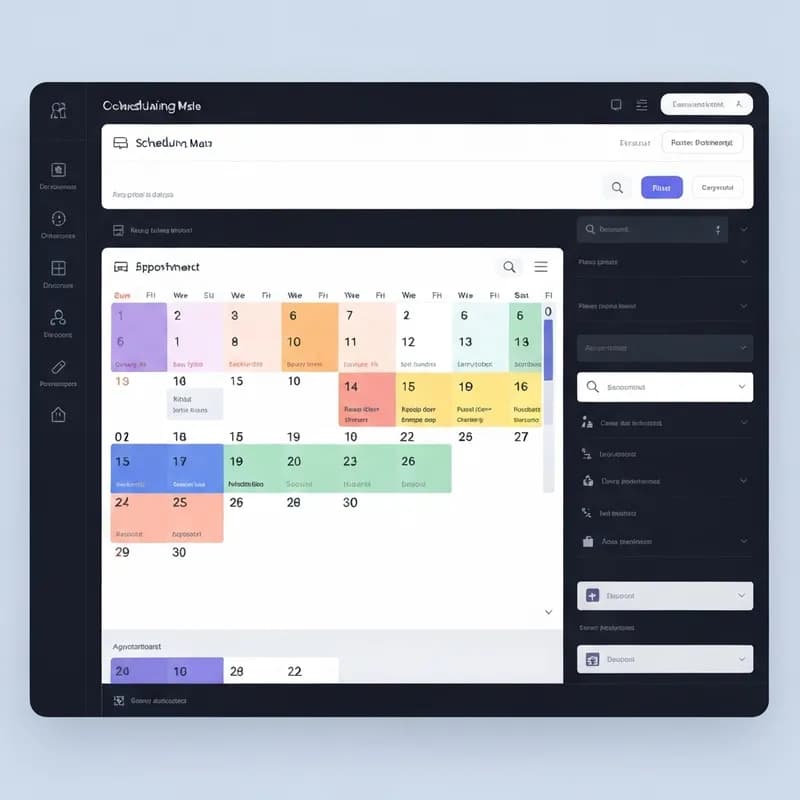
Efficient patient scheduling is the backbone of a successful medical practice. Poor scheduling can lead to long wait times, frustrated patients, and decreased revenue. This guide provides actionable strategies to optimize your scheduling system.
The Cost of Poor Scheduling
Inefficient scheduling doesn't just frustrate patients—it impacts your bottom line. Studies show that practices with optimized scheduling systems see: - 15-20% increase in patient satisfaction - 10-15% improvement in provider productivity - Significant reduction in no-show rates - Better work-life balance for staff
Key Scheduling Strategies
1. Implement Wave Scheduling Wave scheduling involves booking multiple patients at the same time slot, accounting for varying appointment lengths and potential no-shows.
2. Use Data-Driven Scheduling Analyze historical data to identify: - Peak appointment times - Common no-show patterns - Average appointment durations by type - Provider-specific scheduling needs
3. Offer Multiple Booking Channels - Online self-scheduling portals - Mobile app booking - Traditional phone scheduling - Walk-in availability
4. Implement Buffer Times Build in buffer times between appointments to account for: - Complex cases that run over - Emergency situations - Administrative tasks - Provider breaks
Technology Solutions
Modern scheduling software can automate many aspects of appointment management: - Automated appointment reminders - Real-time schedule updates - Integration with EHR systems - Analytics and reporting tools
Managing No-Shows
No-shows can significantly impact practice efficiency. Strategies to reduce no-shows include: - Multiple reminder touchpoints - Flexible rescheduling policies - Waitlist management - No-show fees (where appropriate)