
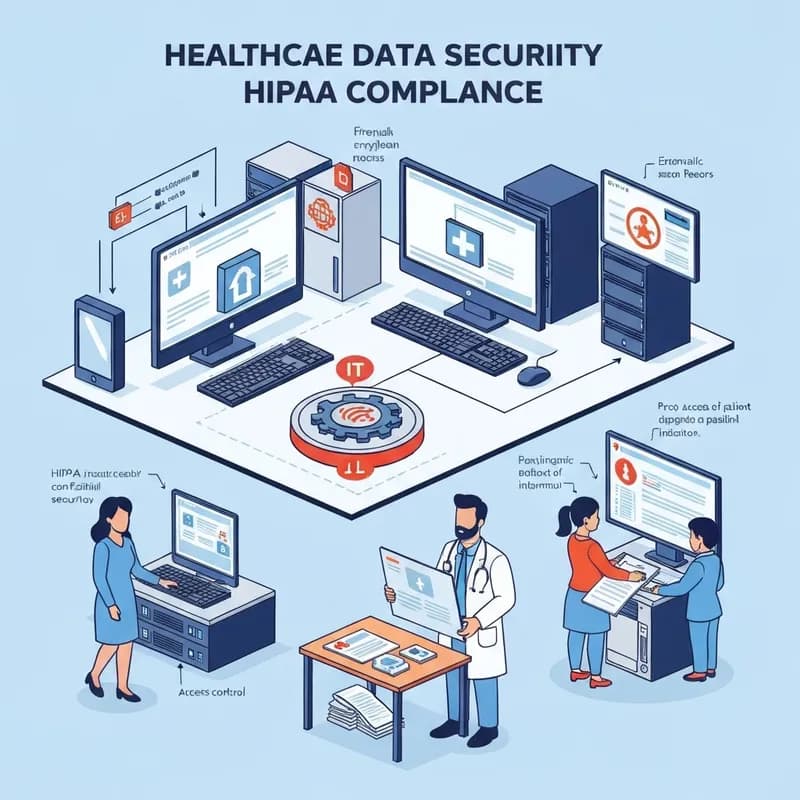
HIPAA compliance remains a critical concern for healthcare providers in 2024, with evolving regulations and increasing cybersecurity threats making data protection more important than ever. This comprehensive guide will help your clinic stay compliant and protect patient information.
Understanding HIPAA in 2024
The Health Insurance Portability and Accountability Act (HIPAA) continues to evolve, with new guidance and enforcement priorities emerging regularly. Healthcare providers must stay current with these changes to avoid costly violations and protect patient trust.
Key Compliance Areas
Administrative Safeguards - Designate a HIPAA Security Officer - Implement workforce training programs - Establish access management procedures - Create incident response protocols
Physical Safeguards - Secure workstations and media - Control facility access - Implement device and media controls - Maintain equipment disposal procedures
Technical Safeguards - Access control measures - Audit controls and monitoring - Data integrity protections - Transmission security protocols
Common Compliance Mistakes
Many healthcare organizations make preventable HIPAA violations. Common mistakes include inadequate employee training, unsecured email communications, improper disposal of PHI, and insufficient access controls.
Best Practices for 2024
- **Regular Risk Assessments**: Conduct comprehensive security risk assessments at least annually
- **Employee Training**: Provide ongoing HIPAA training for all staff members
- **Vendor Management**: Ensure all business associates have proper agreements in place
- **Incident Response**: Develop and test breach response procedures
- **Documentation**: Maintain detailed records of all compliance efforts